


Face yoga exercises are structured facial movements designed to work with the muscles of the face, jaw, and neck. They usually combine controlled expressions, gentle stretching, and light massage-like movements to help release tension and improve muscle awareness.
Many people try face yoga for practical reasons — to ease jaw tightness, reduce puffiness, soften facial tension, and gently engage areas like the cheeks, forehead, and jawline. One of the reasons it appeals to so many people is its simplicity. It does not require special tools, expensive products, or a complicated setup. With proper technique and regular practice, even a few minutes a day can become a realistic part of a self-care routine.
In this guide, we'll explore the best face yoga exercises for beginners, how to do them safely, and how to build a routine that feels easy to maintain.
To learn more, read our complete guide on Face Yoga!
Face yoga exercises can help, but the results tend to be modest and gradual rather than dramatic. A study published in JAMA Dermatology in 2018 found that middle-aged women who followed a facial exercise program for 20 weeks showed improvements in cheek fullness and were rated as looking younger at the end of the study.
However, it is important to keep those findings in perspective. The study was small, did not include a control group, and focused on a specific group of participants, so it does not show that face yoga will work the same way for everyone. Cleveland Clinic also notes that research in this area is still limited, which means face yoga is best understood as a low-risk self-care practice with possible benefits rather than a proven anti-aging solution.
A more realistic takeaway is this: face yoga may help release facial tension and create subtle changes over time, especially in areas like the cheeks or jawline. But it works best when seen as one part of a broader self-care routine — not as a replacement for skincare, sleep, hydration, or other healthy habits, and certainly not as a quick fix.
These face yoga exercises for beginners are meant to feel gentle, simple, and easy to repeat consistently. Start with just 3–5 of them in one session and build from there.

Helps engage the cheeks and jawline while building awareness in the lower face.

Activates the cheek muscles and may help improve facial tone.

Helps wake up the eye area and reduce tension around the brow.

Targets the jawline, chin, and upper neck area.
Releases built-up tension in the jaw, face, and forehead.
Helps soften forehead tension and build awareness in the upper face.
Engages the lower face and may help lift the cheeks slightly.
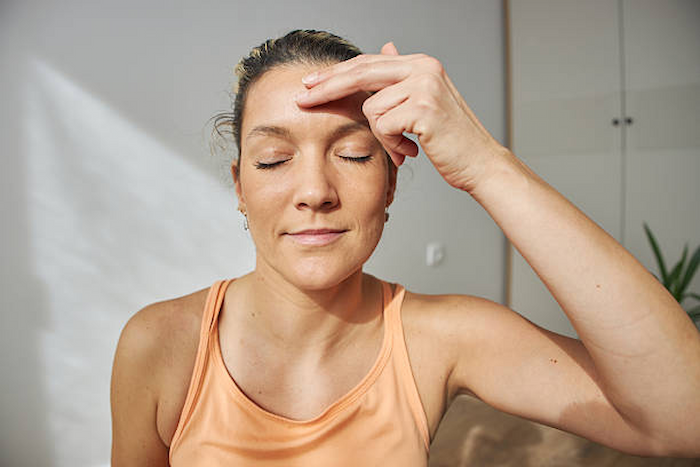
Activates the brow area and helps improve muscle awareness in the forehead.
A simple rule with face yoga exercises is to focus on slow, controlled movement rather than intensity. The goal is not to strain the face, but to build awareness, release tension, and practice consistently enough for the routine to feel sustainable.
Many people start face yoga with a specific goal in mind. While no single exercise can transform one area overnight, certain movements can be more helpful depending on what you want to focus on.
Face yoga exercises like Chin Lift, Fish Face, and Lip Lift are often used to bring more awareness and engagement to the area under the chin and along the jawline. If this is your main focus, it can help to follow a more targeted routine rather than doing random exercises.
Explore our full guide to face yoga for double chin here.
For jowls, the focus is usually on the lower face, cheeks, and jawline. Exercises such as Fish Face, Lip Lift, and Eyebrow Lift may help improve muscle awareness in the surrounding areas, while also encouraging better posture and less jaw tension over time.
If your goal is a more toned jawline, movements like Chin Lift, Fish Face, and Cheek Puff are a good place to start. These exercises work best when paired with consistency and gentle technique rather than overworking the area.
If you tend to hold tension in the jaw, gentler exercises like Lion's Breath may feel more helpful than anything overly effortful. In this case, the goal is less about toning and more about releasing tightness and reducing clenching patterns.
Read our guide to yoga for TMJ here.
Face yoga is sometimes used for a more refreshed or "glowing" appearance because it may support circulation and reduce facial tension. Exercises like Cheek Puff, Forehead Smoother, and Lion's Breath are often included in routines that focus on this goal.
Face yoga should feel gentle, controlled, and relaxed — not aggressive. Keep these basic guidelines in mind before you begin:
If you are just starting out, keep your routine short and consistent. Instead of doing all 8 exercises every day, choose a small mix that covers the main areas of the face and feels realistic to repeat.
This routine takes about 10–15 minutes and gives you a balanced place to begin. If one area is your main focus, such as the jawline or forehead, you can swap in a more targeted exercise instead of trying to do everything at once.
The key is consistency. A short routine practiced regularly is usually more effective than a longer routine you struggle to maintain.
Face yoga exercises can be a simple, low-pressure way to bring more awareness to the face, release built-up tension, and support a more refreshed appearance over time. The key is to keep the practice gentle, realistic, and consistent rather than expecting dramatic results overnight. A short routine done regularly is usually far more effective than trying to do too much at once.

Most people need to practice consistently for several weeks before noticing a visible difference. Face yoga is not a quick fix, and it tends to work best when done regularly rather than occasionally.
Face yoga is generally low-risk when done gently, but it should not cause pain, pulling, or strain. If you have had recent facial surgery, Botox or fillers, TMJ flare-ups, skin irritation, or a medical condition affecting the face, it is best to check with a qualified professional first or book a personalized session with an expert yoga teacher.
Yes, many people practice face yoga daily. A short routine of 10–15 minutes is usually more realistic and sustainable than trying to do too much at once.
No. Most face yoga exercises can be done with just clean hands and, if helpful, a mirror. The main focus is on gentle movement, muscle awareness, and consistency rather than tools or devices.






Receive personalized guidance tailored to your unique fitness goals, live with a dedicated coach—no credit card required.

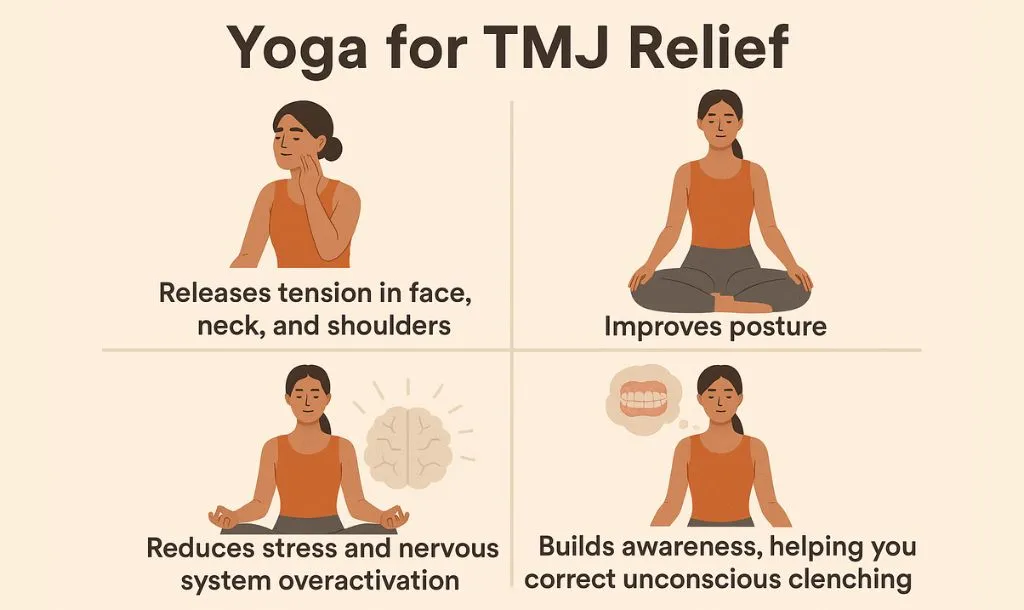
Learn how yoga for TMJ relief combines body poses, face yoga, and breathing exercises to ease jaw pain naturally. Start today with expert guidance.

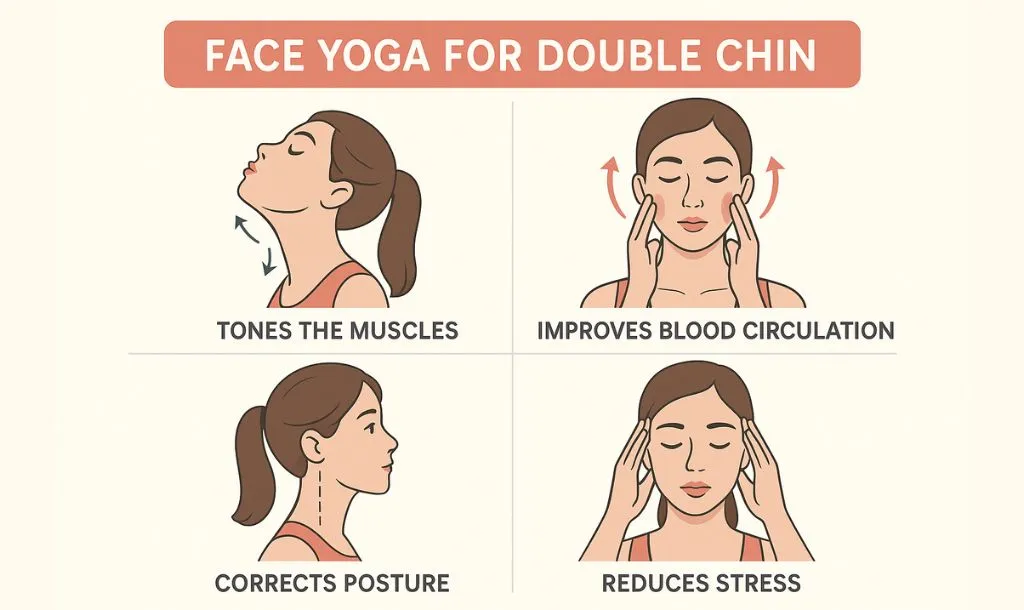
Does face yoga work for double chin? Discover 7 proven exercises and effective techniques. Start today!
Yoga is an amazing source of renewal and health for your complexion! Explore how yoga helps your complexion and produces glowing, healthy skin. Then try the 5 yoga poses for skin health at the bottom!


© Copyright 2025 MyYogaTeacher Inc


