


What is {{name}}?
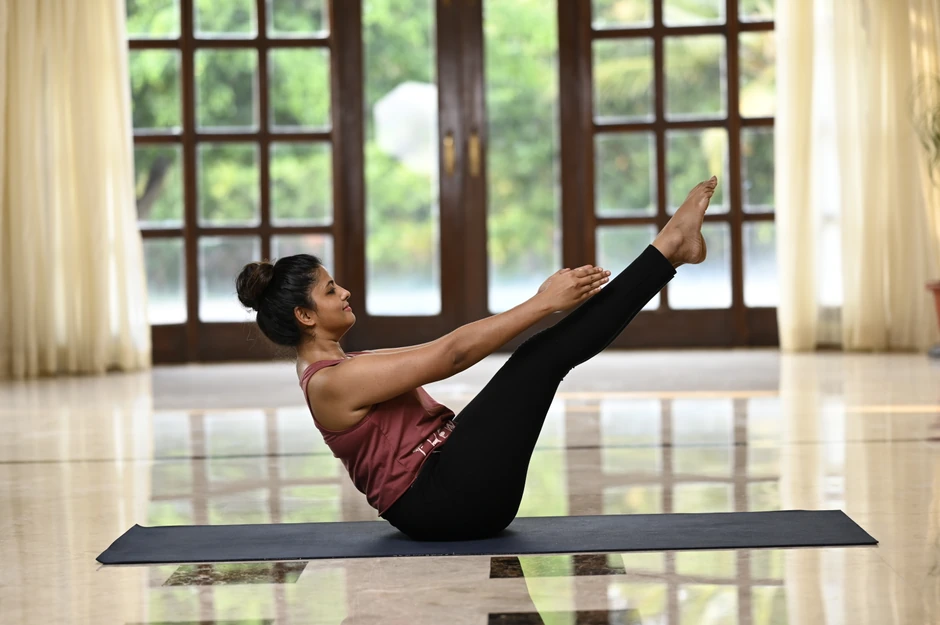
Power yoga is a vigorous, athletic style of yoga focused on building strength, endurance, and physical power. Developed in the early 1990s by teachers Bryan Kest and Beryl Bender Birch, it adapted Ashtanga yoga into a more flexible format for a fitness-focused audience.
Unlike Ashtanga, Power yoga does not follow a fixed sequence, so classes can vary while still feeling physically demanding. It is a good fit for active people and experienced practitioners looking for a challenging, strength-led yoga practice.
At a Glance
Key Benefits
Power yoga is often chosen by people who want yoga to feel physically challenging and results-driven. Its benefits come from combining strength, stamina, flexibility, and focus in one demanding practice.
- Builds full-body strength through sustained, high-effort movement.
- Improves cardiovascular endurance more than most yoga styles.
- Supports calorie burn through a vigorous, athletic pace.
- Develops core stability and functional strength for other activities.
- Improves flexibility alongside strength and control.
- Builds mental toughness through physically demanding sequences.
- Delivers a complete workout without leaving the yoga mat.
Yoga is complementary to, not a replacement for, medical treatment. Consult your doctor if you have a pre-existing condition.
Key Characteristics & Elements
Power yoga stands out because it is built more like athletic training than a traditional slow-paced yoga class. These core elements shape how the practice feels and why it appeals to people who want intensity, variety, and performance-focused movement.
- Athletic Intensity: Power yoga is designed to challenge strength, stamina, and mental focus at the same time. The pace is usually fast, the effort is high, and the class is meant to feel like a workout rather than a recovery practice.
- Strength-Led Sequencing: Power yoga classes are built around movements that demand muscular control and endurance. The focus is not only on flexibility, but on building strength through repeated effort, steady holds, and challenging transitions.
- No Fixed Sequence: Unlike Ashtanga, Power yoga does not follow the same order every time. That variety keeps the practice mentally fresh and allows teachers to shape classes around different goals, from core strength to full-body conditioning. If you want a more traditional fixed-sequence approach, explore Ashtanga yoga in this detailed guide.
- Ashtanga Lineage: Power yoga grew out of Ashtanga and keeps its breath-led movement and physically demanding style, but in a more flexible format. Even in this modern adaptation, the practice still carries the discipline, heat, and focused energy that come from that lineage.
What to Expect in a Class
A Power yoga class usually begins with an active warm-up that builds heat quickly and gets the body moving almost right away. From there, the class flows through a fast-paced, strength-focused sequence designed by the teacher, with continuous movement and very few long rest periods. The emphasis is on effort, stamina, and staying mentally engaged as the intensity builds.
Expect to sweat, feel your muscles working, and rely on the breath to stay steady through the challenge. The pace is often faster than in Hatha or Vinyasa, and the class can feel more like athletic training than a traditional yoga session.
Most classes end with a short cool-down and Savasana, leaving you feeling physically worked, mentally clear, and accomplished.
Tell your teacher before class if you have:
- Wrist, shoulder, or elbow injuries
- Knee or hip conditions
- High blood pressure or cardiovascular concerns
- Are completely new to yoga
Join a Live Power Yoga Group Class for Free


Power Yoga


Functional Power Yoga
Power Yoga: Amplify Your Strength and Flexibility
Power Yoga vs. Vinyasa Yoga
If you want a practice that feels more like athletic training — demanding, strength-focused, and physically intense — Power yoga is usually the better fit. If you want continuous movement with more variety in intensity and a more accessible entry point, Vinyasa may suit you better.
Read our full Power yoga vs Vinyasa breakdown here.
Who it’s for
- Yogis who are moderately to very physically fit
- Athletes
- Yogis who want to be challenged
- Fitness fanatics
Who it’s not for
- Beginner yogis
- Yogis with sensitive muscles or joints
- People who are regularly sedentary
- Most seniors
How it will help you
- Builds strength and flexibility quickly
- Works every part of the body
- Provides excellent stress management
- Improves focus and concentration
How it will not help you
- Beginner yogis
- Yogis with sensitive muscles or joints
- People who are regularly sedentary
- Most seniors

Enjoy a Free 1-on-1 Session with a Coach!
Receive personalized guidance tailored to your unique fitness goals, live with a dedicated coach—no credit card required.
Questions about {{name}}

Power yoga is usually not the best starting point for complete beginners. The pace is fast, and the physical demands are high, so it helps to have some experience with yoga basics first. If you are fit but new to yoga, a 1-on-1 session can be a safer way to build that foundation.
Both are breath-led and movement-based, but Power yoga is generally more intense and strength-focused. Vinyasa can vary widely in pace and difficulty, while Power yoga is usually designed to feel consistently more demanding. Read the full comparison in this detailed guide.
Power yoga can support a weight loss goal more than most slower yoga styles because it has a higher physical and cardiovascular demand. Its value comes not only from calorie burn, but also from the strength, stamina, and consistency it can help build over time. Read this detailed guide on Power Yoga for weight loss here!
For most people, 3 to 4 sessions per week is a practical range. Because the style is demanding, recovery matters, especially for the wrists, shoulders, hips, and lower back. Many people balance Power yoga with a gentler style on rest days.
{{name}} Articles
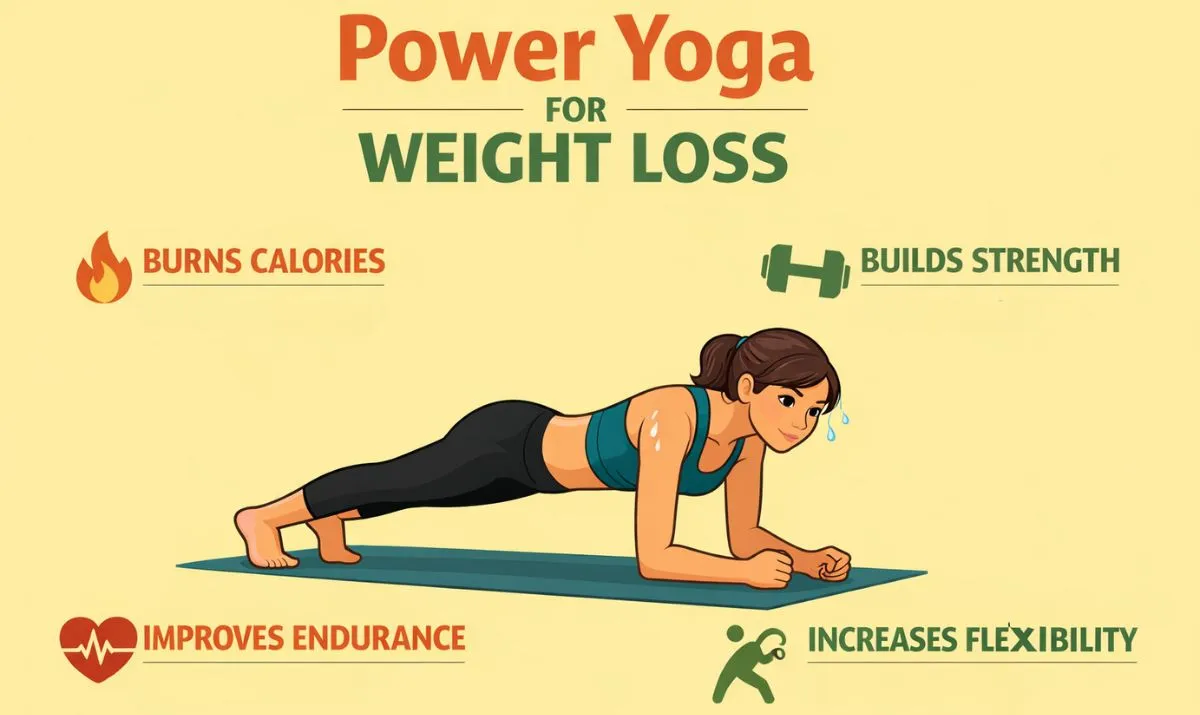
Is Power Yoga Good for Weight Loss?
Is power yoga good for weight loss? Yes! Burn 400-600 calories per hour, build lean muscle, and boost metabolism. Learn how it works + best practices.

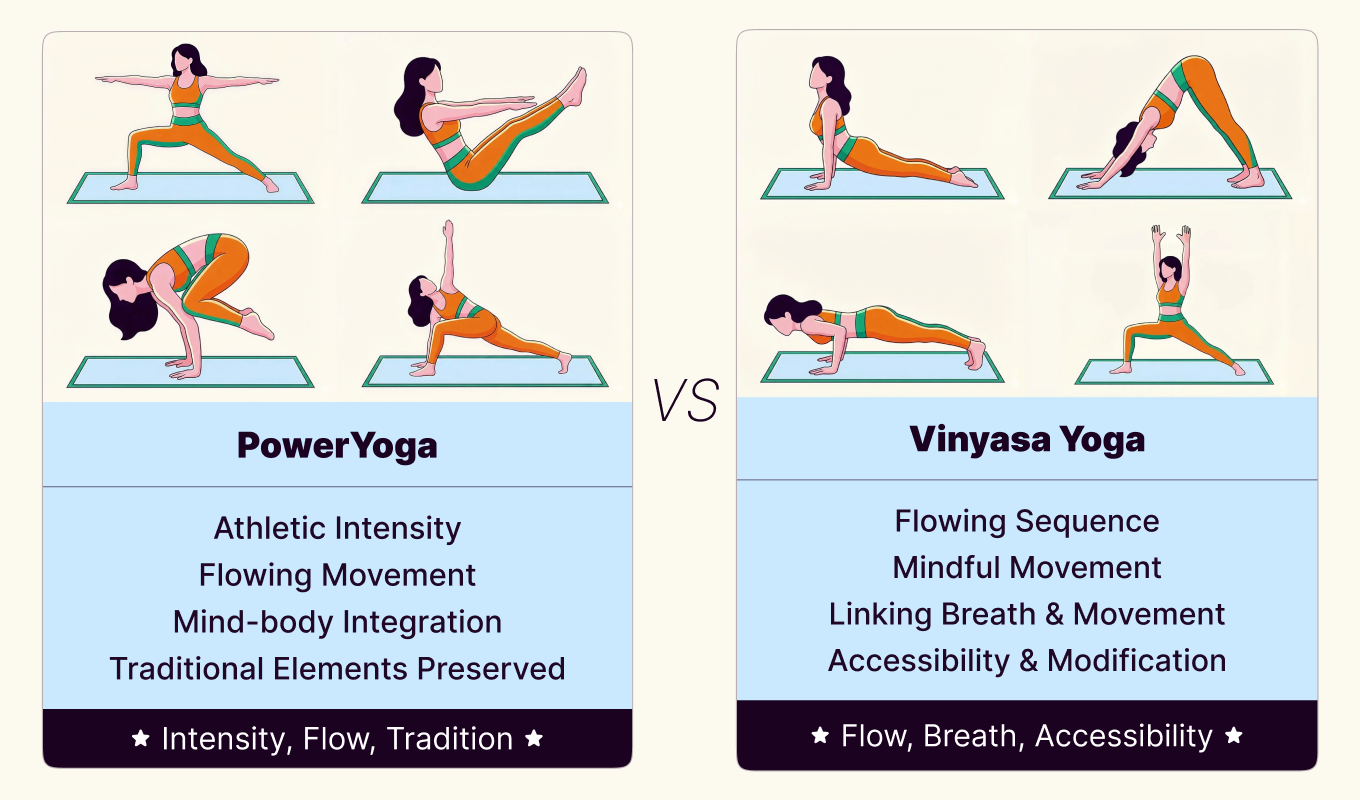
Power Yoga vs. Vinyasa Yoga: Key Differences & Which is Best for You
Power Yoga vs Vinyasa yoga: Compare pace, intensity, calories burned & benefits. Discover which dynamic yoga style matches your fitness goals. Start today!
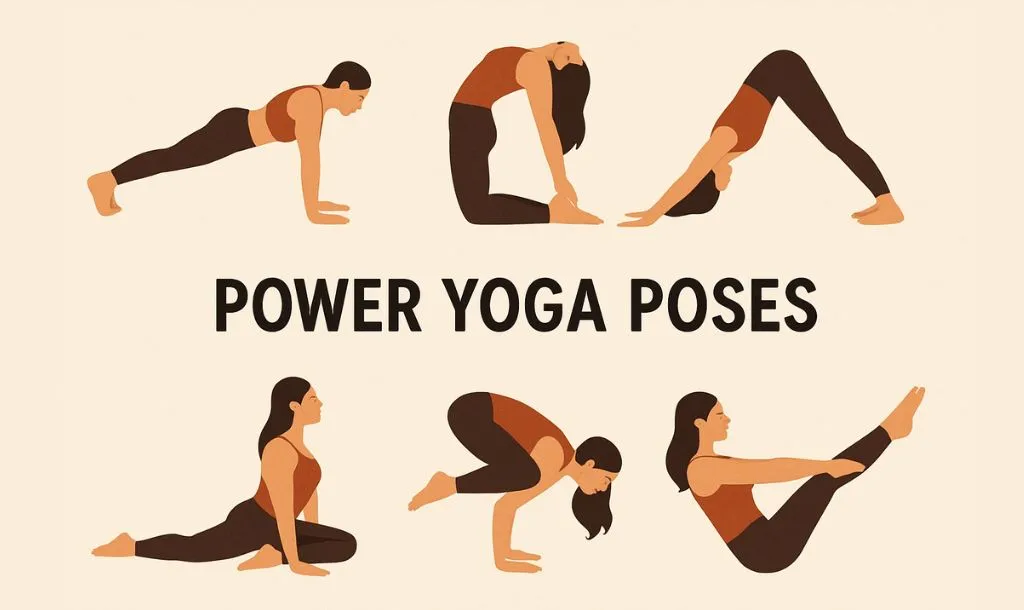
Power Yoga Poses: Essential Asanas for Calorie Burn, Strength, & Flexibility
Master Power Yoga poses for all levels. Learn beginner to advanced asanas, weight loss sequences, and safety tips with expert guidance. Start today!


