


What is {{name}}?
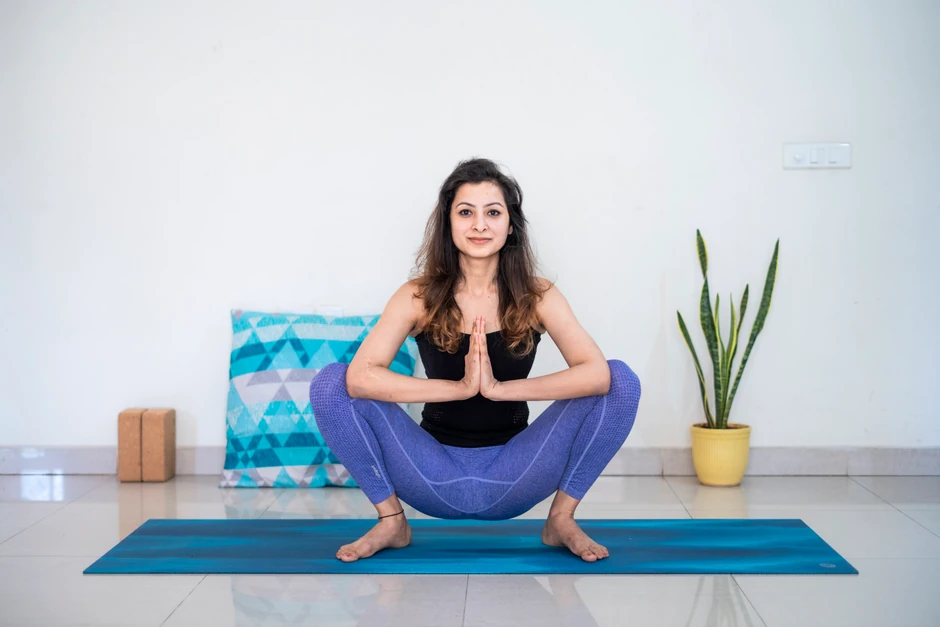
Shakti yoga is a flowing style of yoga inspired by Shakti, the divine feminine energy in Hindu and Tantric philosophy. It combines breath, movement, and inner awareness in a way that feels less structured than many other yoga styles.
Classes often include flowing movement, breathwork, and moments of stillness, with more focus on how the practice feels than on getting every pose exactly right. Shakti yoga is suitable for all levels, especially for people looking for a practice that feels both active and meaningful.
At a Glance
Key Benefits
Shakti yoga is often chosen for how energizing, expressive, and inwardly connecting it feels. Its benefits come from combining fluid movement, breathwork, and a practice that values inner experience as much as physical form.
- Encourages a stronger sense of energy, vitality, and inner power.
- Builds strength and flexibility through fluid, breath-led movement.
- Deepens body awareness and connection to how you feel from within.
- Helps reduce stress and emotional tension through expressive movement and breath.
- Supports stamina and physical resilience through continuous flow.
- Builds confidence through intuitive, non-performative practice.
- Connects movement to a deeper philosophical and spiritual tradition.
Yoga is complementary to, not a replacement for, medical treatment. Consult your doctor if you have a pre-existing condition.
Key Characteristics & Elements
Shakti yoga is shaped by energy, expression, and a more intuitive way of moving. These core elements are what make the practice feel different from more structured or performance-focused yoga styles.
- Shakti Philosophy: Shakti is the Sanskrit term for divine feminine energy — the creative force that flows through all life. In Shakti yoga, the practice is not only about moving the body, but about awakening and working with that inner energy. For deeper reading, see our beginners guide to Shakti yoga.
- Fluid, Expressive Movement: Shakti yoga is known for flowing, wave-like movement that follows the breath rather than a fixed pattern. This quality is often called Shakti flow: movement that feels organic, expressive, and led from within rather than tightly prescribed.
- Breathwork as Energy Activation: Breath is central to Shakti yoga, not just for calm but for energy. Classes often include pranayama to build vitality, deepen awareness, and support the energetic side of the practice.
- Devotional Elements: Some Shakti yoga classes include mantra, intention setting, or brief devotional practices connected to the Goddess tradition. Others are more movement-focused.
What to Expect in a Class
A Shakti yoga class usually begins with a short period of stillness, breathing, or intention setting before movement starts. Some teachers may include a mantra or a simple opening ritual, while others move more directly into breath-led movement.
From there, the class builds through fluid, wave-like sequences that feel expressive rather than rigid, with movement guided more by rhythm and energy than by strict choreography.
As the practice continues, expect to feel warm, open, and physically engaged without the class becoming purely performance-focused. The transitions are often smooth and organic, and the overall experience can feel both grounding and energizing at the same time.
Most classes close with stillness, breathwork, meditation, or Savasana, leaving you feeling clearer, more open, and inwardly connected.
Tell your teacher before class if you have:
- Recent back or hip injuries
- Are pregnant
- Prefer to avoid chanting or devotional elements
Shakti Yoga vs. Kundalini Yoga
If you are looking for a practice that feels more fluid, expressive, and movement-led, Shakti yoga may be the better fit.
If you want a more structured energy practice with specific breathwork, kriyas, and spiritual techniques, Kundalini yoga may suit you better.
Who it’s for
- Intermediate and advanced yogis
- Anyone seeking to connect with Shakti
- Anyone seeking to harness their feminine energy
- Both men and women
Who it’s not for
- Beginner yogis may find some of the poses challenging
- Anyone seeking a relaxing form of yoga
How it will help you
- Increased energy
- Improved circulation
- Improved strength and flexibility
- Better self awareness
- Inner balance
How it will not help you
- Beginner yogis may find some of the poses challenging
- Anyone seeking a relaxing form of yoga

Enjoy a Free 1-on-1 Session with a Coach!
Receive personalized guidance tailored to your unique fitness goals, live with a dedicated coach—no credit card required.
Questions about {{name}}

Shakti is the Sanskrit term for divine feminine energy — the creative force that flows through all life. In yoga, it refers to the inner energy that animates breath, movement, and awareness. Shakti yoga works with this energy directly through movement, breath, and presence.
Yes! Shakti yoga can be very approachable for beginners because it does not depend on athletic performance or strict technical precision. It is often a good fit for people who want a practice that feels intuitive, expressive, and inwardly focused.
No! Shakti yoga and Power yoga are different styles with different aims. Power yoga is more athletic and performance-focused, while Shakti yoga centers on fluid movement, inner energy, and expressive practice. Explore Power yoga in this detailed guide.
Shakti flow refers to the fluid, breath-led quality of movement often found in Shakti yoga. It describes a style of practice that feels wave-like, organic, and guided from within rather than tightly structured.
Both styles work with energy, but they approach it differently. Kundalini yoga is usually more structured and technique-driven, while Shakti yoga tends to be more fluid, expressive, and movement-based. Explore Kundalini yoga in this detailed guide.
{{name}} Articles

Yin vs Restorative Yoga: What’s the Difference?
Yin vs Restorative Yoga explained. Compare intensity, hold times, props, and benefits. Learn the key differences and choose the right slow yoga style for you.

Power Yoga vs. Vinyasa Yoga: Key Differences & Which is Best for You
Power Yoga vs Vinyasa yoga: Compare pace, intensity, calories burned & benefits. Discover which dynamic yoga style matches your fitness goals. Start today!
Vinyasa Flow Yoga: Complete Guide to Dynamic Yoga Practice
In this complete guide on Vinyasa flow yoga, learn its benefits, different types, and various flow sequences. Start today!


